
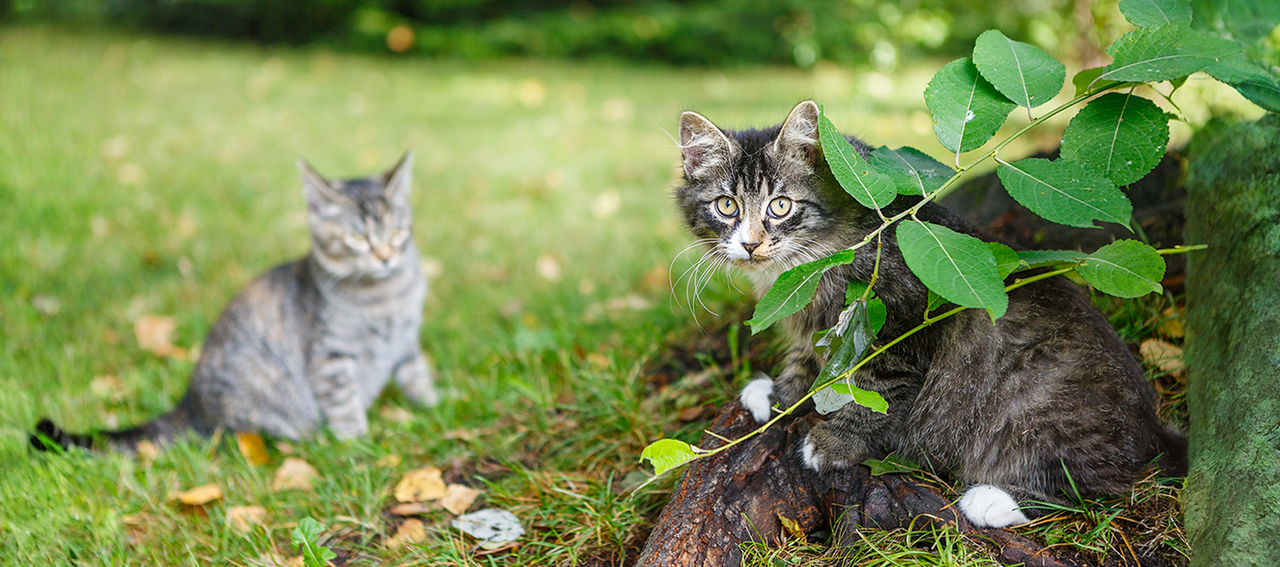
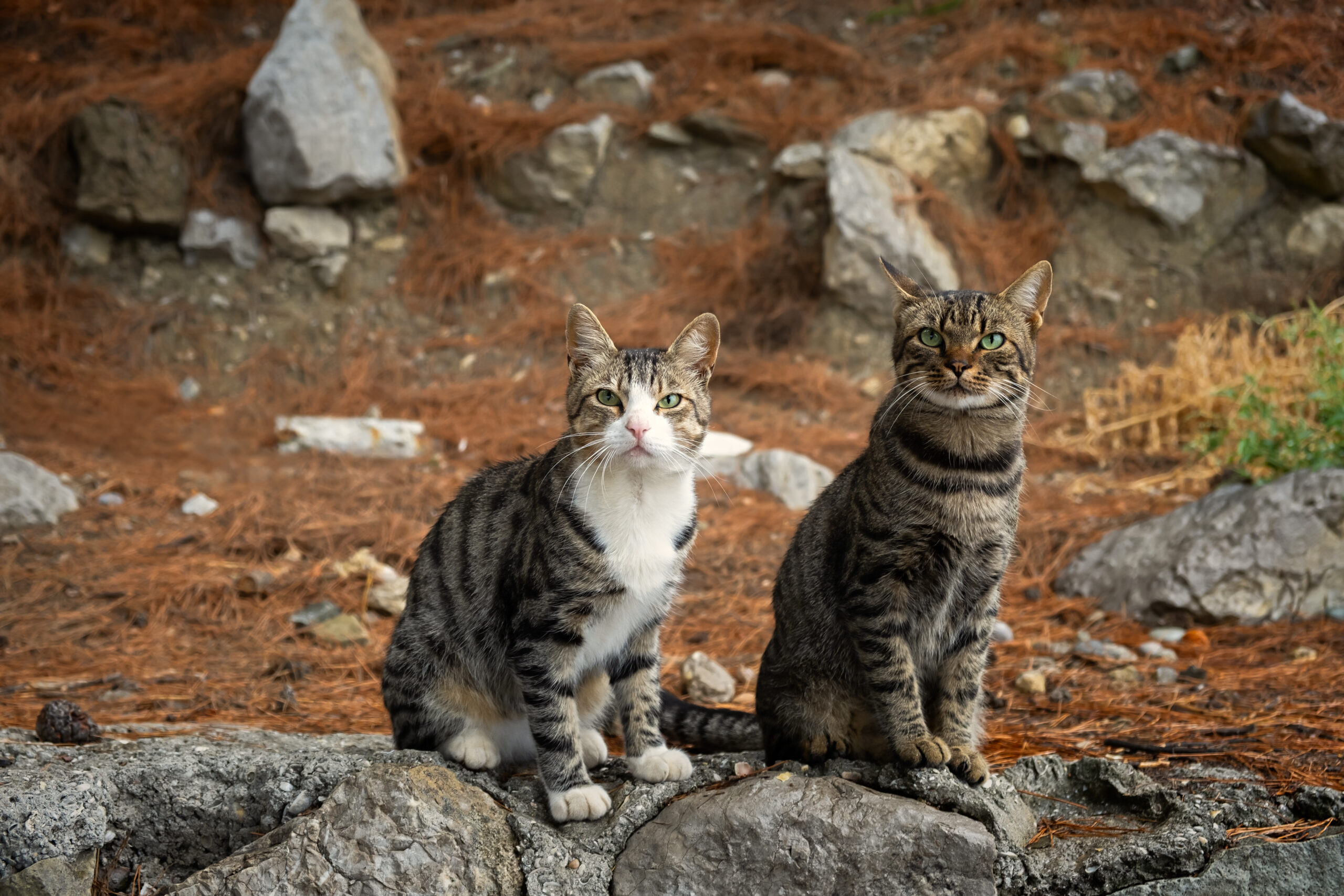
As part of efforts to protect the country’s biodiversity conservation minister Tama Potaka, said that feral cats would be added to the country’s Predator Free 2050 list, which aims to eradicate those animals that have a negative impact on species such as birds, bats, lizards and insects.
Cats had previously been excluded from the list, now they are on the list alongside rats, possums, stoats, ferrets and weasels.
In June, when the Department of Conservation opened the Predator Free 2050 strategy up for consultation, they asked the public about feral cats. The response was loud and clear: feral cats belong on the target list.
The New Zealand government’s recent decision to include feral cats among the species to be eliminated under the Predator Free 2050 strategy has sparked heated debate. Although the stated goal is to protect biodiversity—severely threatened by introduced predators—many observers believe the regulation poses significant ethical, scientific, and social risks.
The law officially distinguishes between feral and domestic cats. However, in practice, the distinction is often difficult and arbitrary: an unmicrochipped, frightened domestic cat can easily be mistaken for a feral cat; Many community cats, human-fed but unregistered, are at risk of being treated as pests. This confusion can lead to the unintentional killing of owned cats, with serious ethical consequences and potential legal disputes.
The “invasive predator” category opens up the possibility of using aggressive control methods like poisonings, shootings, potentially painful traps.
Recent events in some New Zealand communities, like feral cat culling competitions, show how classifying cats as “pests” can encourage extreme behavior.
The new legislation, without adequate ethical barriers, risks the legitimizing cat hunting, creating a context of normalized violence toward any cat and powering the abuse and killing for sport
The line between ecological control and uncontrolled brutality can become very thin.
Cats are among the most devastating predators in Aotearoa. They kill native birds, bats, reptiles, wētā and other insects, hunting quietly and alone. They are apex predators — nothing hunts them, and they can reproduce quickly under the right conditions.
We believe that the right way to control feral cats, along with all the other animals included in the predator free list, is to implement the research and development of alternatives including the replacement of lethal methods with effective non-lethal methods that minimise negative impacts to animal welfare, more effective and less cruel methods than simple culling like trap-Neuter-Return (TNR) programs; Large-scale sterilization; Mandatory microchip tracking of domestic cats; Educational campaigns against abandonment; Strengthening shelters and adoption programs.
The legislation, instead, tends to favour lethal intervention as the first option, ignoring approaches already successfully tested in many countries.
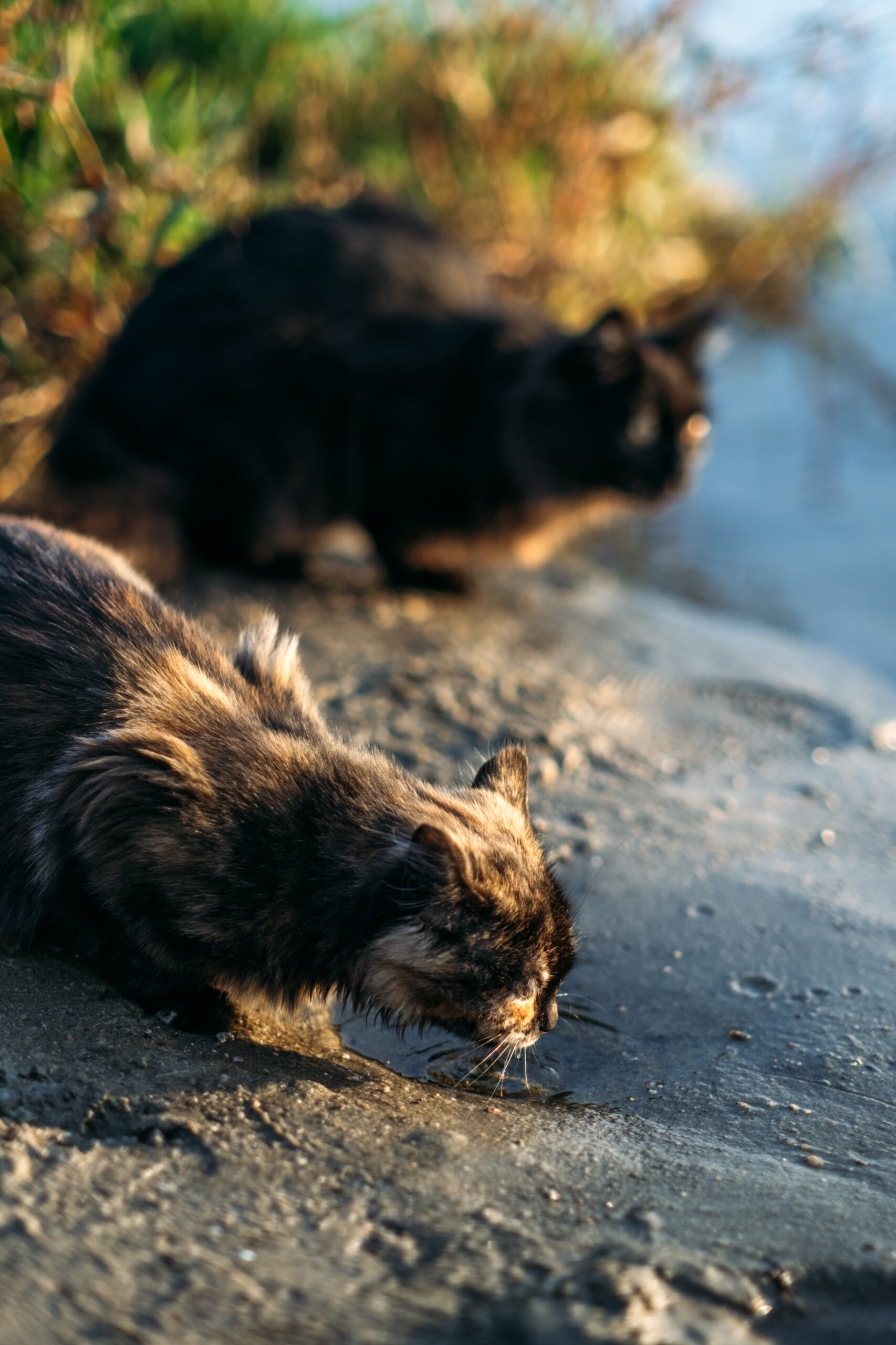
New Zealand’s decision to list feral cats among the predators to be eliminated stems from a genuine desire to protect threatened native species. However, the chosen approach risks to favour cruelty creating social conflict, endangering domestic and community cats, producing unforeseen environmental impacts, normalizing violence against a species very close to humans.
As OIPA we recognises that all the animals are equal and equally deserving of protection from experiencing pain or distress and we acknowledges that it is sometimes necessary to manage populations of species for a variety of reasons, including protecting wildlife. But we firmly ask that the control of this animals (all of them non only feral cats) is canalize into a more humane population control, not by killing.